How to Exhibit in Venice
Venues, costs, permits, and Biennale logistics for curators, galleries, and institutions.
Plan an Exhibition in Venice
Venice is one of the most sought-after exhibition destinations in the world, and one of the most technically demanding. Whether you're planning a national pavilion, a Biennale collateral event, or an independent show, the decisions you make in the first few months determine whether the project runs smoothly. This site covers the real picture: venues, costs, permits, logistics, and how the Biennale actually works.
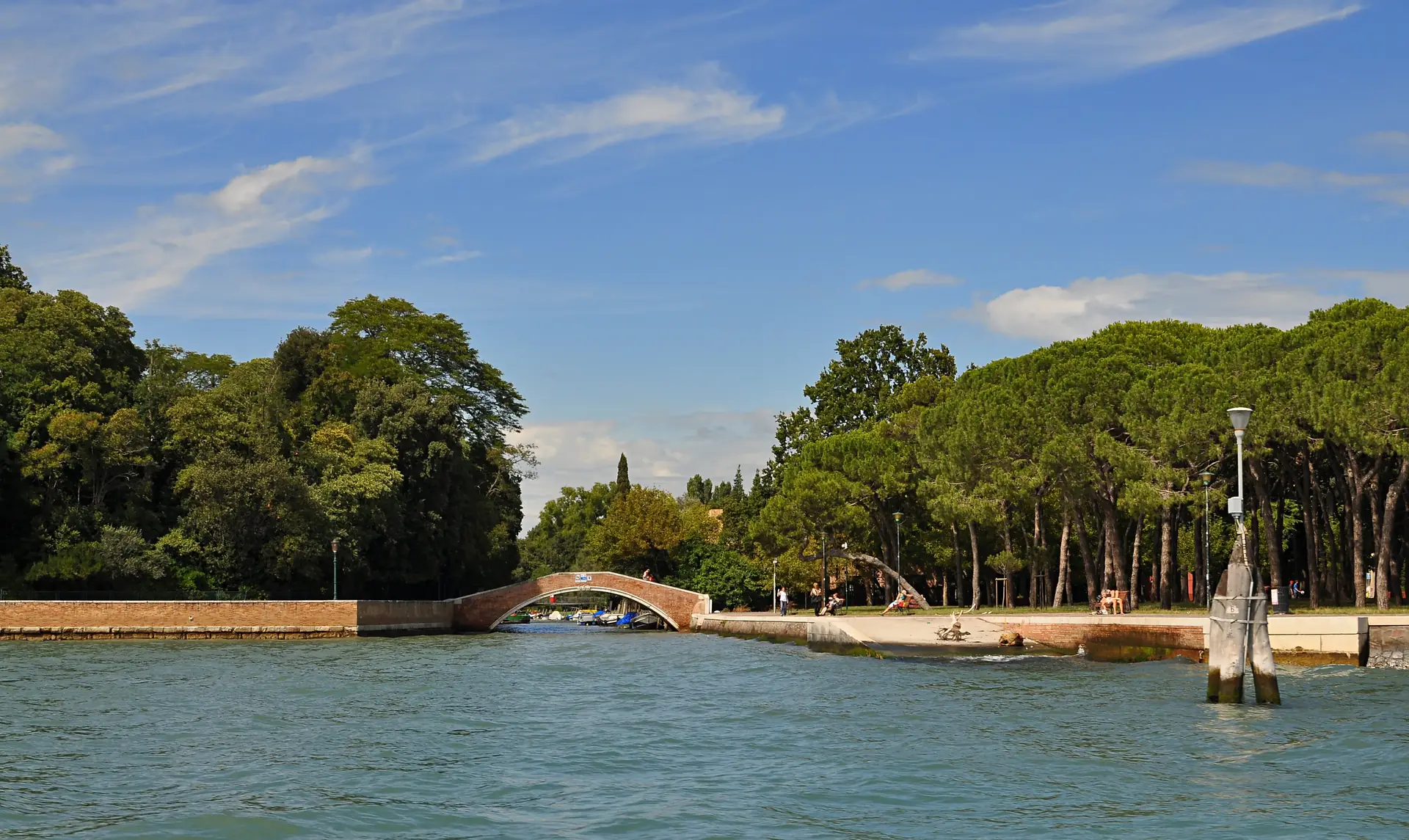
How the Venice Biennale Works
National pavilions, collateral events, independent exhibitions, timelines, and what each route actually involves.
Read the guide →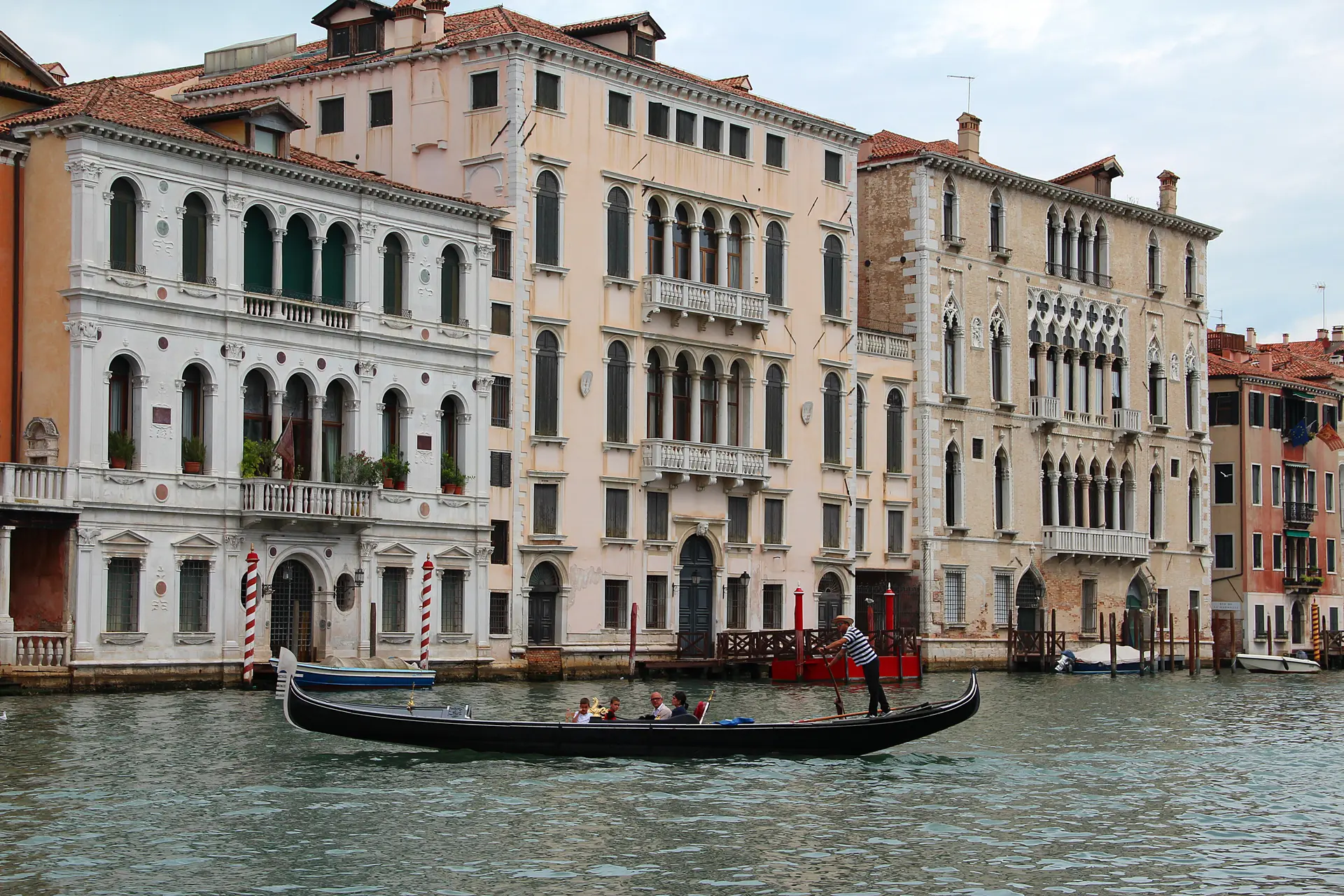
Venice Venues
Palazzos, galleries, warehouses, and temporary spaces. What different parts of Venice offer, and what they tend to cost.
Browse venues →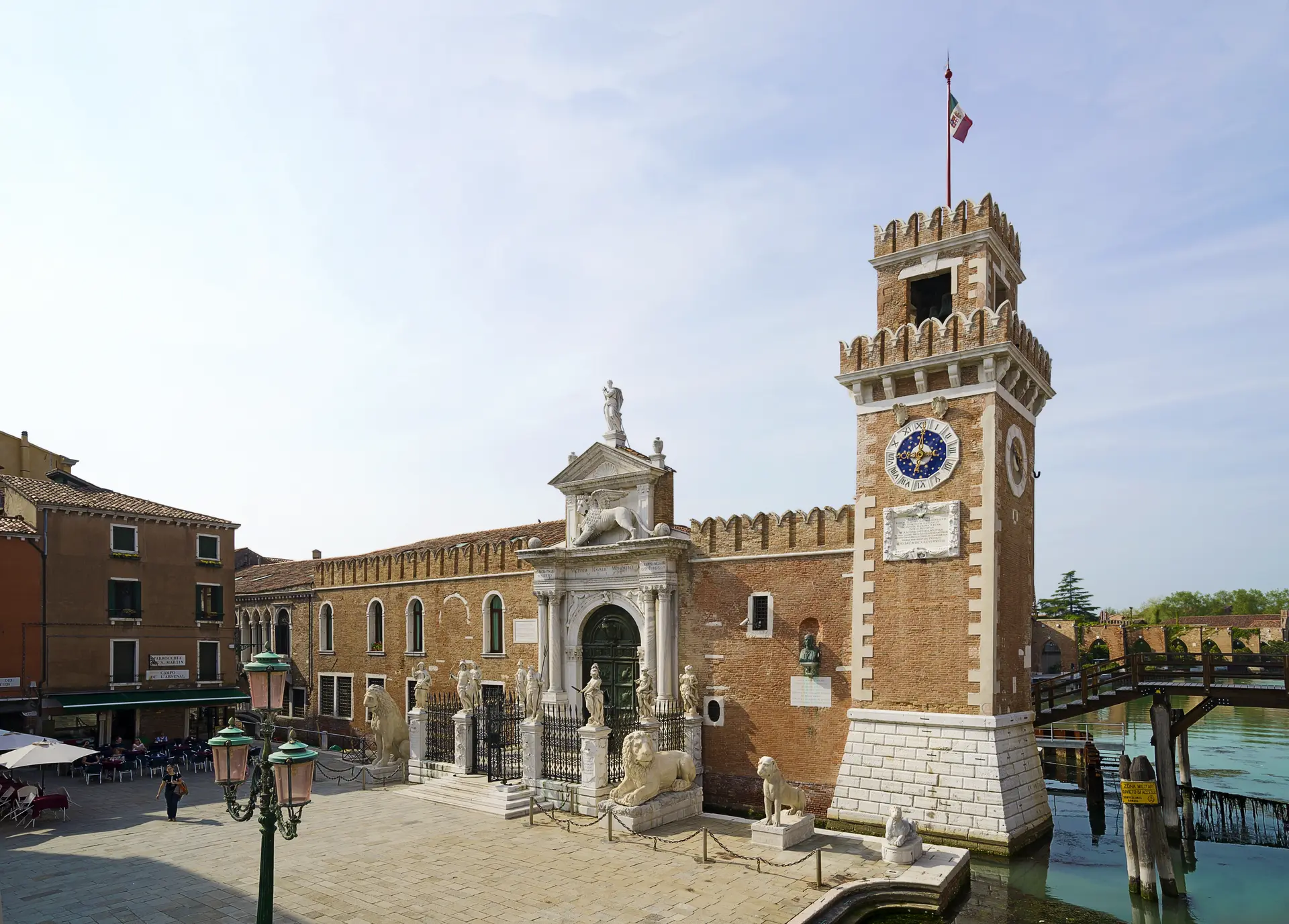
Costs and Budgets
Real budget ranges for national pavilions, collateral events, independent shows, venue rental, staffing, transport, and hidden costs.
See the costs →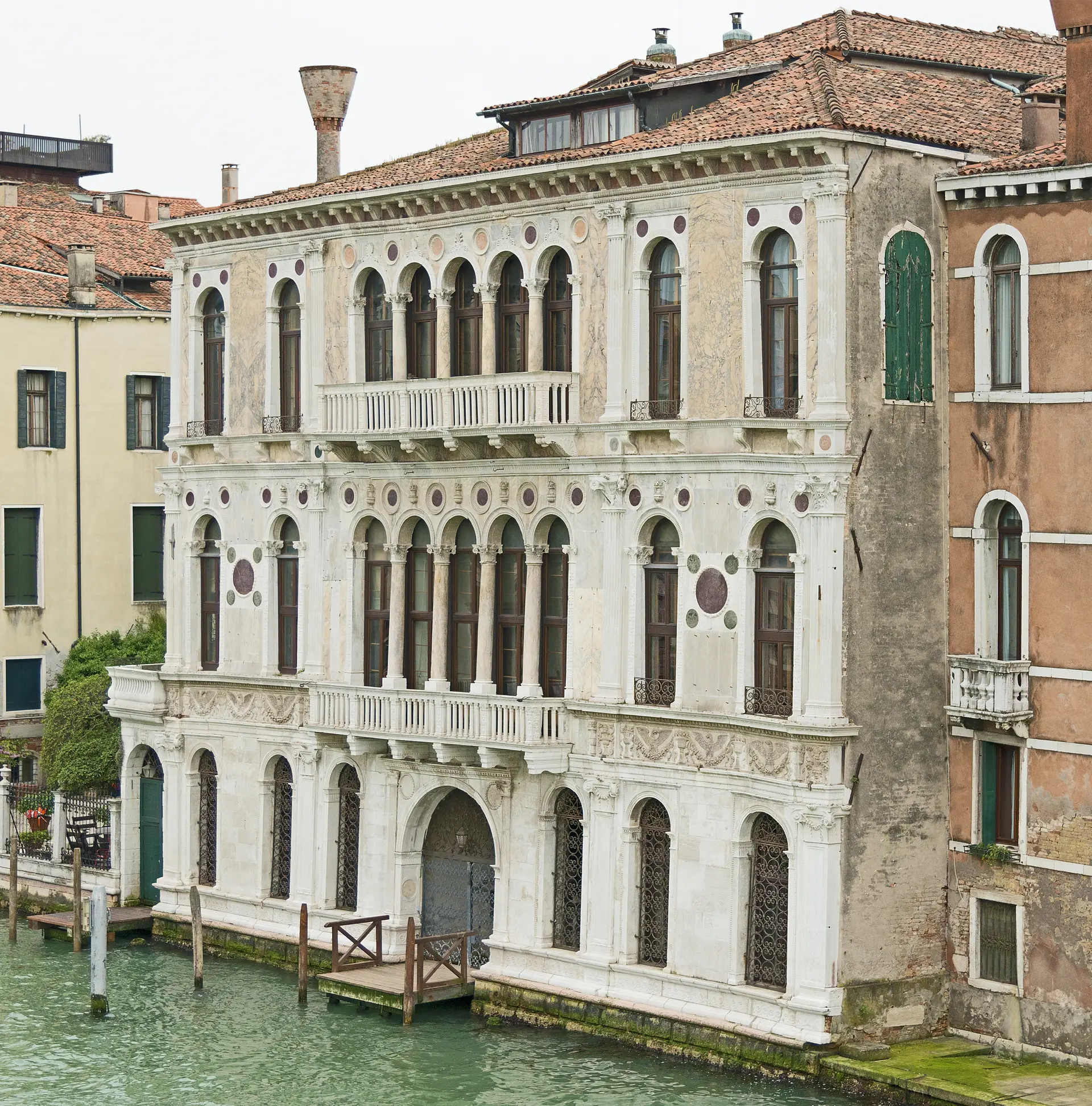
Logistics in Venice
No trucks in the historic center. Water transport, historic buildings, permits, loading constraints, and all the practical issues most first-time exhibitors underestimate.
Understand the logistics →
Exhibition Support
Need a Venice-based team to handle the operational side? On some projects, local exhibition management, staffing, installation, and logistics support can save months of stress.
See support options →Venice Is Not a Normal City to Exhibit In
No trucks. No loading docks. Deliveries by boat. Historic buildings with strict regulations. Flooding. Humidity. Narrow calle. Venice requires local expertise that most exhibition companies simply don't have.
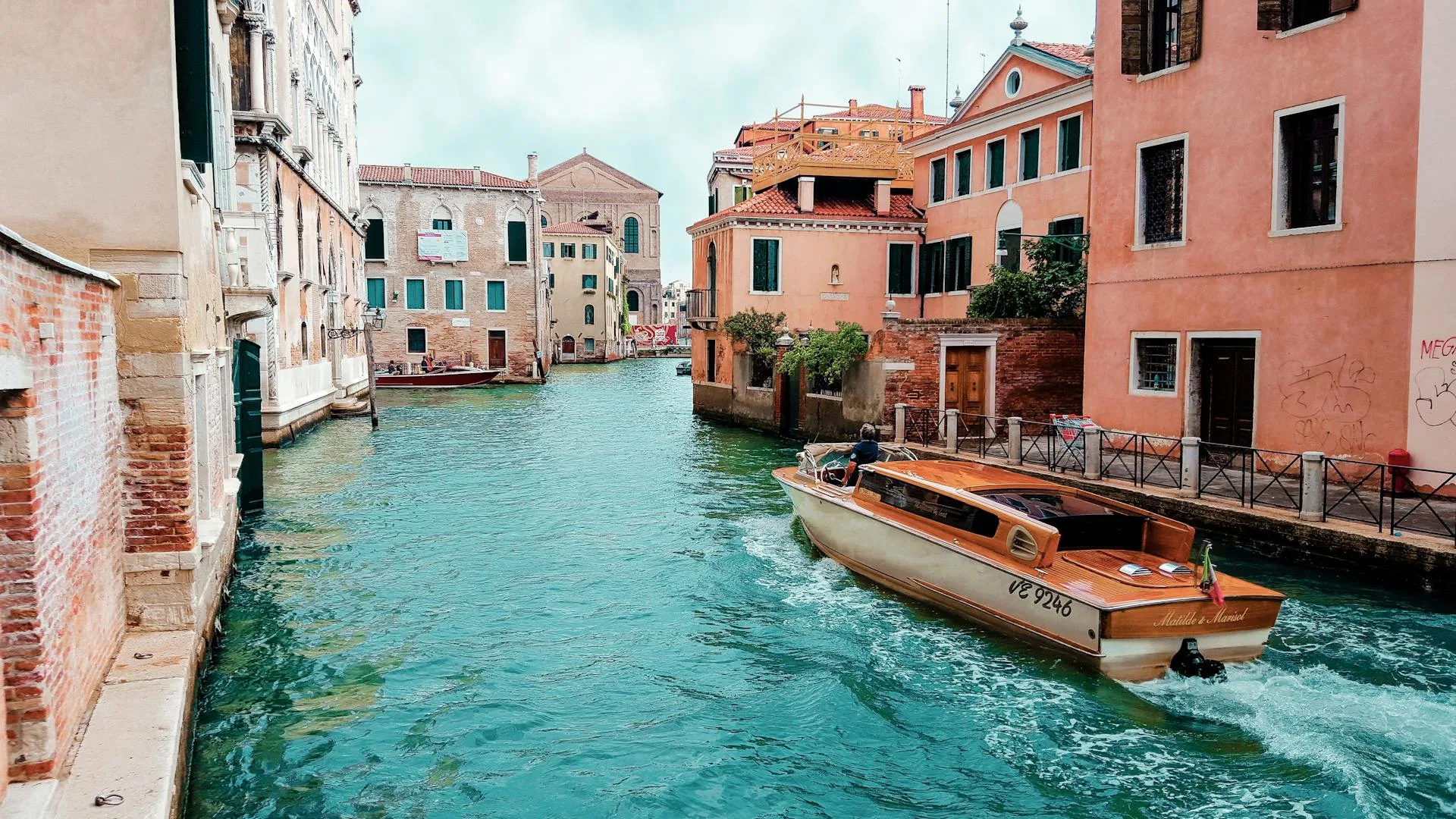
Water Access Only
Every piece of art, every wall panel, and every AV unit arrives by boat. That changes budgets, schedules, and installation planning from day one.
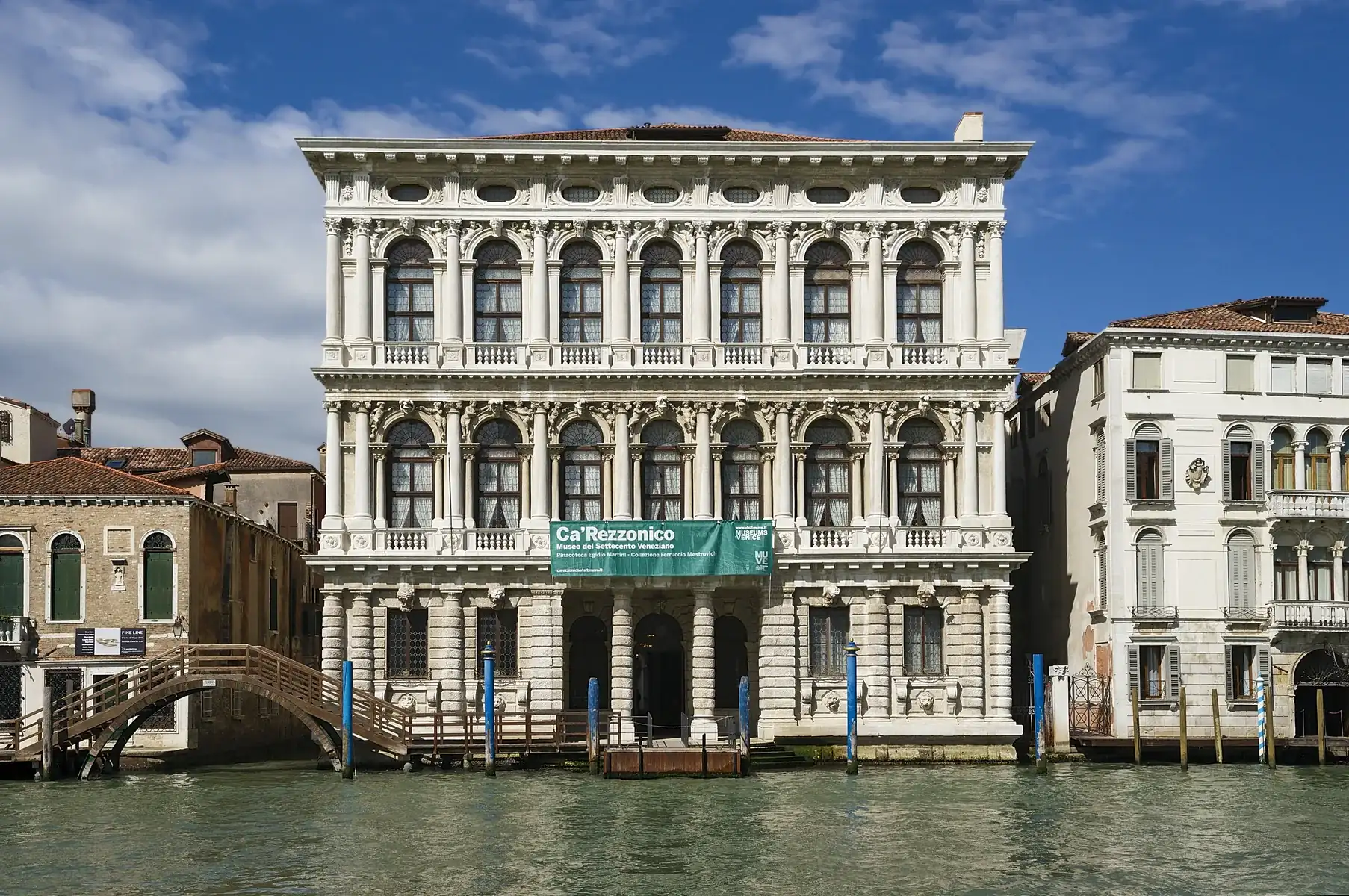
Historic Buildings
Most Venice exhibition spaces are protected historic buildings, which means approvals, installation methods, and technical choices are more constrained than in most cities.
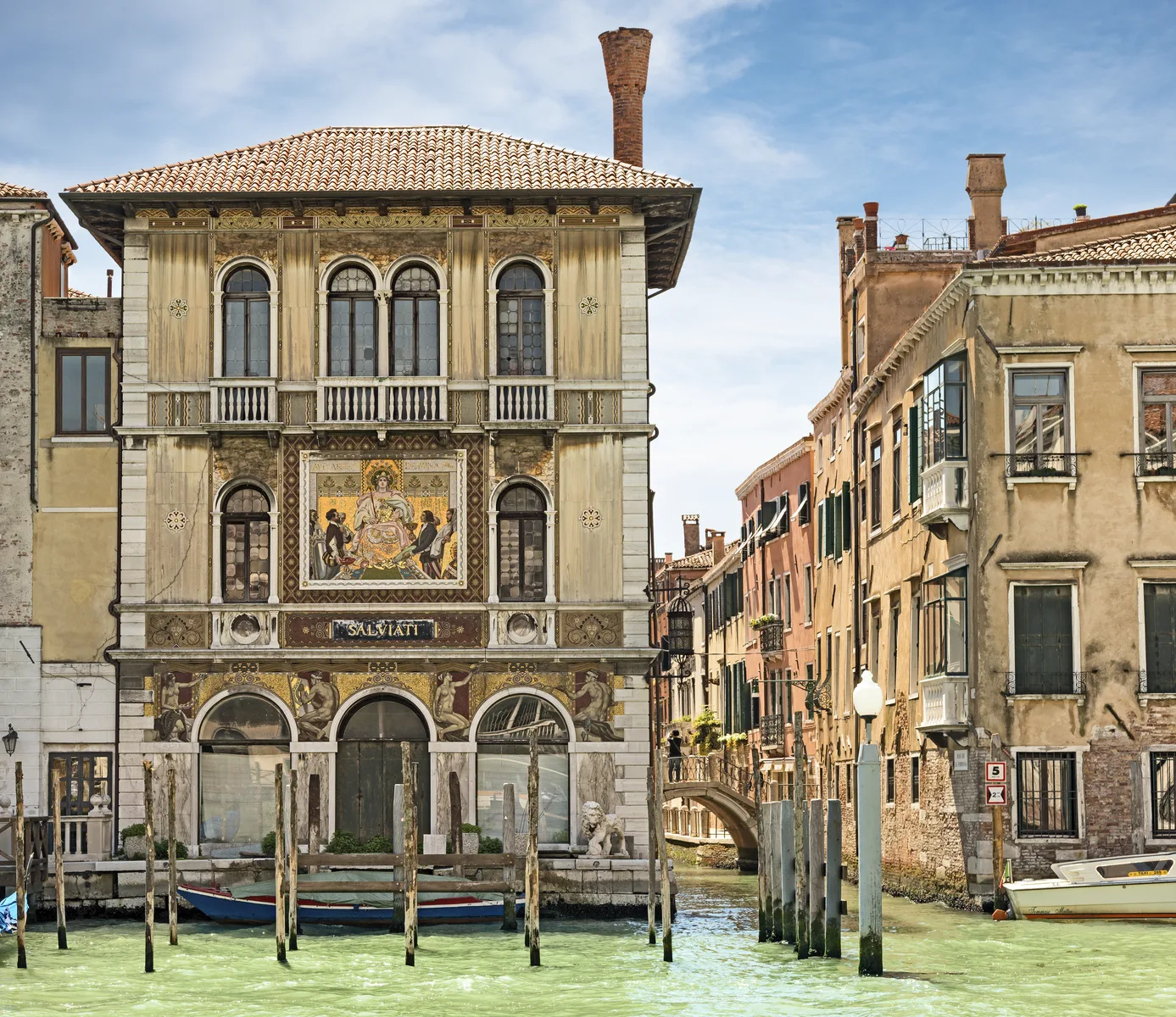
Local Knowledge
Contractor reliability, supplier timing, permit lead times, and local coordination all matter more in Venice than many first-time exhibitors expect.
Start with the Core Venice Guides
If you're planning a show in Venice, these are the pages to read first. They cover the decisions that affect timing, budget, and whether the project runs smoothly once you're on the ground.
What Kind of Show Are You Planning?
Three main exhibition routes exist during the Venice Biennale. Each has different requirements, timelines, and levels of Biennale involvement. Here's how they work.
National Pavilion
Official country representation selected by cultural ministries. Requires government backing and typically 24+ months of planning. Budget ranges from €500K to $5.8M depending on country resources and ambition.
How pavilions work →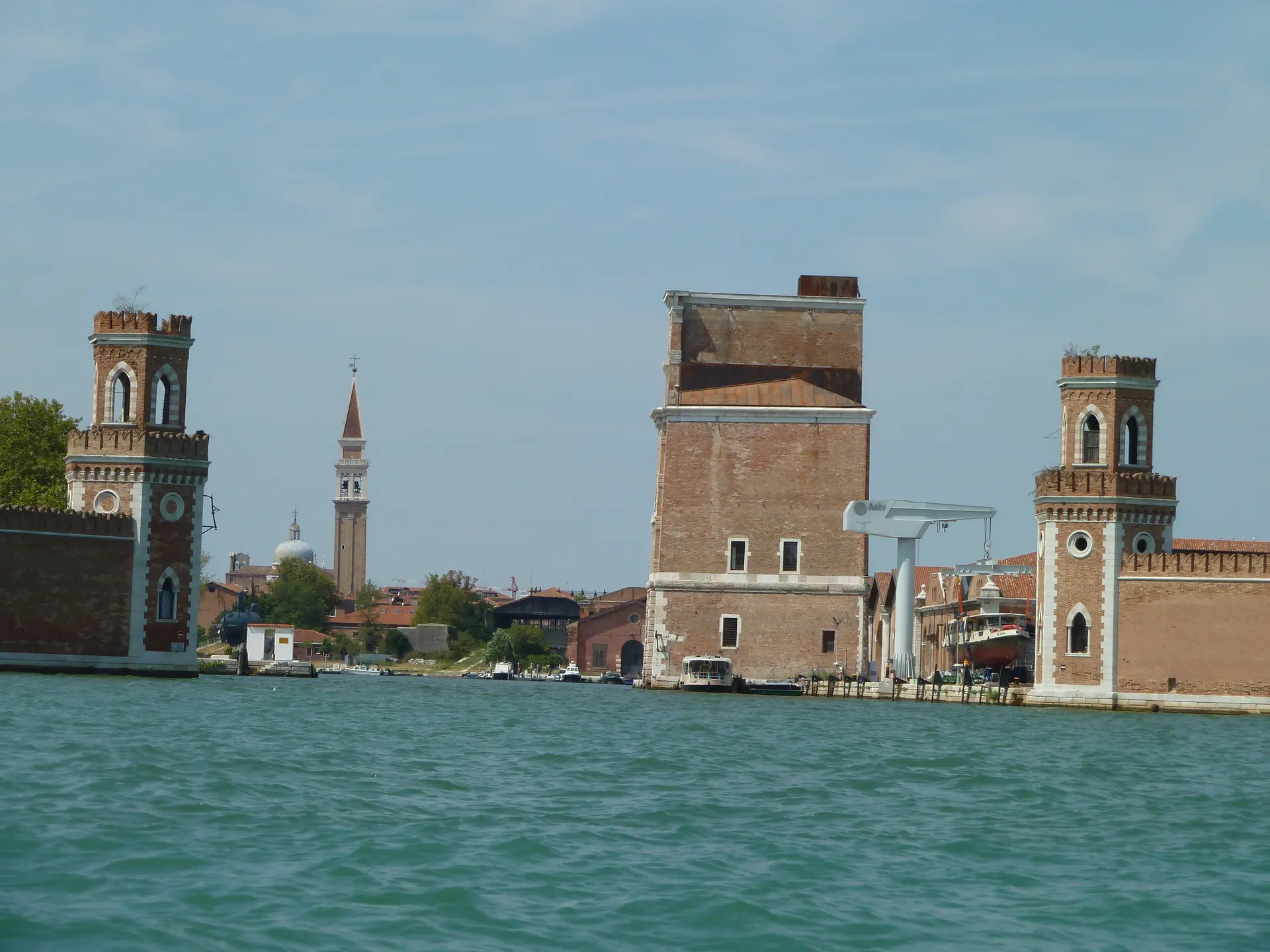
Collateral Event
Approved by La Biennale and listed in the official program. Open to galleries, foundations, and curators. Application process starts 18 months before opening. Most budget €200K-€500K for venue, installation, and staffing.
Collateral event guide →
Independent Exhibition
Self-organized shows during Biennale months without official status. Faster to arrange (6-12 months), lower cost (€50K-€200K), but requires stronger marketing to attract attention. Most common route for galleries and emerging institutions.
Find Venice venues →The Venice Reality Check
Four things that catch first-time exhibitors off guard. If you're used to exhibiting in London, New York, or Berlin, Venice operates differently.
Timelines Are Longer
Venue booking happens 18-24 months before opening. Permits take 3-6 months. Installation requires early arrival because water transport adds days to every delivery. Rush anything in Venice and you pay double, or it doesn't happen at all.
Budgets Are Higher
Expect to spend 30-50% more than a comparable show elsewhere. Water transport, specialized labor, historic building constraints, and six-month staffing needs all drive costs up. First-time exhibitors regularly underestimate by 40%.
Nothing Moves on Wheels
There are no trucks in the historic center. Every crate arrives by boat. Large sculptures need crane barges. Heavy equipment requires permits and advance booking. The logistics chain is slower, more expensive, and needs local expertise to coordinate.
Historic Buildings Have Rules
Most exhibition venues are protected by the Soprintendenza. Wall fixings need approval. Power upgrades require permits. Structural load calculations are mandatory for heavy installations. You can't just mount work and assume the venue can handle it.
Need Hands-On Support in Venice?
If you need a Venice-based operator to help manage installation, staffing, venue coordination, or daily exhibition operations, you can get in touch here.
Find Professional Support